

Company News




0102030405
Why Modern Machine Shops Are Investing in Chips Removing and Oil-Water Separating Tools
2026-06-19
Machine shops today face growing pressure to improve productivity, reduce maintenance costs, and maintain a clean working environment. Whether producing automotive parts, aerospace components, molds, or precision machinery, manufacturers generate large amounts of metal chips, cutting fluids, sludge, and waste oil every day.
Without proper waste management, these byproducts can reduce machine efficiency, increase operating costs, and create safety risks. This is why more manufacturers are investing in a Chips removing and oil-water separating tool. These systems help remove metal chips, separate oil from coolant, and keep production areas clean and efficient.
What Is a Chips Removing and Oil-Water Separating Tool?
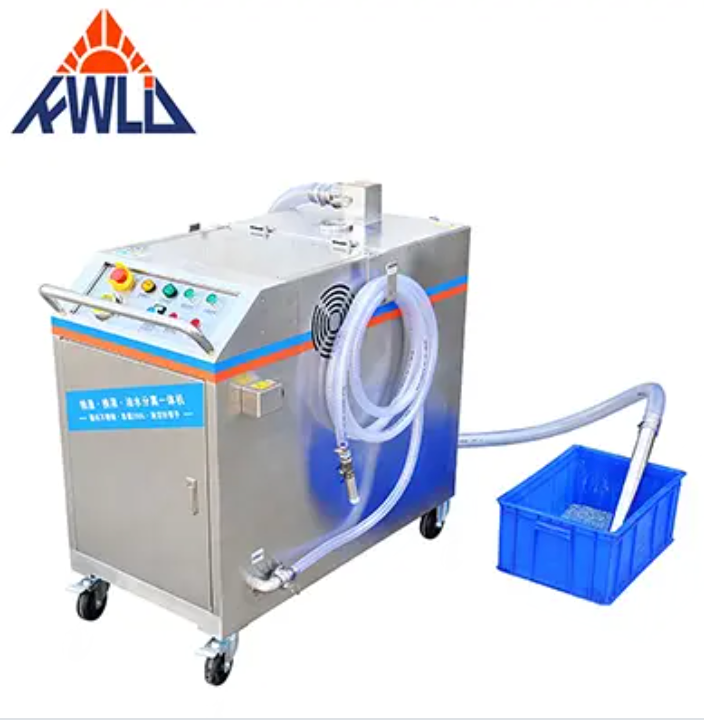
A Chips removing and oil-water separating tool is equipment designed to handle industrial waste generated during machining operations.
The system typically performs several important functions:
- Collecting and transporting metal chips
- Removing sludge and machining debris
- Separating floating oil from coolant
- Recycling cutting fluids
- Reducing contamination inside Machine Tools
By combining chip removal and oil-water separation into one process, the Chips removing and oil-water separating tool helps manufacturers maintain cleaner equipment and more stable production conditions.
The Growing Challenge of Metal Chip Accumulation
Every machining operation creates chips. CNC milling, turning, drilling, grinding, and cutting processes all produce waste material that must be removed regularly.
When chips accumulate inside machines, several problems can occur:
- Reduced machining accuracy
- Increased machine wear
- Blocked coolant flow
- More frequent machine downtime
- Higher maintenance costs
A Chips removing and oil-water separating tool automatically removes chips from production equipment, preventing these issues before they affect production efficiency.
For high-volume manufacturing facilities, automated chip management is often more cost-effective than manual cleaning.
Improving Coolant Quality Through Oil-Water Separation
Coolant is essential for machining performance. It helps control temperature, reduce tool wear, and improve surface finish.
However, during production, lubricating oils often mix with coolant systems. This contamination can cause:
- Unpleasant odors
- Bacterial growth
- Reduced cooling performance
- Poor machining quality
- Increased coolant replacement costs
A Chips removing and oil-water separating tool removes unwanted oil from coolant tanks, helping maintain fluid quality for a longer period.
When coolant remains cleaner, manufacturers can reduce fluid consumption and lower disposal costs.
Cleaner Workshops Create Safer Working Conditions
Safety is a major concern in modern manufacturing facilities.
Metal chips scattered around machines can create hazards such as:
- Slipping accidents
- Sharp edge injuries
- Fire risks in certain applications
- Blocked walkways and work areas
Installing a Chips removing and oil-water separating tool helps keep workspaces cleaner and more organized.
Employees spend less time cleaning floors and machine interiors, allowing them to focus on production tasks. A cleaner workshop also supports workplace safety programs and regulatory compliance.
Reducing Machine Downtime
Unplanned downtime is one of the biggest hidden costs in manufacturing.
When chip buildup blocks coolant systems or contaminates machine components, production may need to stop for cleaning and maintenance.
A Chips removing and oil-water separating tool continuously removes waste during operation. This preventive approach helps reduce interruptions and keeps machines running longer between maintenance cycles.
Many manufacturers find that the investment quickly pays for itself through increased machine availability and higher production output.
Supporting Sustainable Manufacturing
Environmental responsibility is becoming increasingly important for manufacturers around the world.
A Chips removing and oil-water separating tool supports sustainability goals by:
- Reducing coolant waste
- Improving fluid recycling
- Lowering disposal costs
- Recovering reusable oil
- Reducing environmental contamination
Many factories are now seeking ways to improve resource efficiency while meeting environmental regulations. Automated waste management systems help achieve both objectives.
Lower Labor Requirements
Manual chip removal requires workers to stop machines, collect waste, clean tanks, and manage contaminated fluids.
These tasks consume valuable labor hours that could be used for higher-value activities.
A Chips removing and oil-water separating tool automates much of this process. Instead of frequent manual cleaning, operators can focus on machine operation, quality control, and production planning.
This reduction in labor requirements becomes especially important as manufacturers face ongoing labor shortages and rising labor costs.
Better Equipment Life and Performance
Machine tools represent a significant investment for any manufacturing company.
Contaminated coolant and accumulated chips can accelerate wear on pumps, filters, conveyors, and machine components.
A properly designed Chips removing and oil-water separating tool helps protect critical equipment by keeping machining systems cleaner.
Benefits often include:
- Longer pump life
- Reduced filter replacement
- Lower maintenance expenses
- Improved machine reliability
- Extended equipment service life
These advantages contribute to a lower total cost of ownership over time.
What Buyers Should Consider Before Purchasing
When selecting a Chips removing and oil-water separating tool, buyers should evaluate several factors:
Type of Metal Chips
Different machining processes generate different chip sizes and shapes. The system should be compatible with the materials being processed.
Coolant Volume
Larger facilities require systems capable of handling higher coolant flow rates and greater contamination levels.
Automation Requirements
Some manufacturers prefer fully automated systems that operate continuously with minimal operator involvement.
Maintenance Needs
Choose equipment designed for easy cleaning and routine maintenance to minimize downtime.
Future Expansion
Selecting a scalable Chips removing and oil-water separating tool can support future production growth without requiring major upgrades.
Conclusion
As manufacturing becomes more competitive, machine shops must find ways to improve efficiency, reduce waste, and maximize equipment utilization.
A Chips removing and oil-water separating tool provides a practical solution for managing metal chips, sludge, and coolant contamination. By improving workshop cleanliness, reducing downtime, extending coolant life, and supporting sustainable operations, these systems deliver measurable value across the entire production process.
For many modern machine shops, investing in a Chips removing and oil-water separating tool is no longer simply an option—it has become an important step toward achieving higher productivity, lower operating costs, and long-term manufacturing success.