




What Makes Plastic Load-Bearing Cable Chains Stand Out?
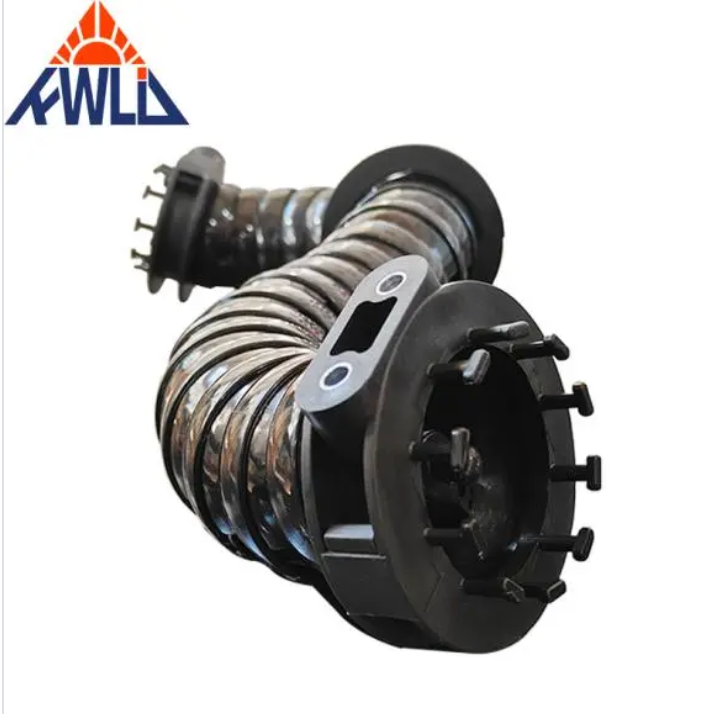
Plastic load-bearing cable chains have become the industry standard for supporting and guiding cables, hoses, and other flexible conduits in dynamic applications. But what makes these Plastic Cable Chains stand out from their metal counterparts? Here, we explore the unique benefits of plastic load-bearing cable chains and why they are essential for many modern industrial applications.
Lightweight and Durable
One of the main benefits of plastic load-bearing cable chainsis their low weight. Unlike metal chains, Plastic Chains are typically made from high-strength polymers, combining low mass with high durability. This means they are easier to install and handle, which reduces stress on support systems and motors. Additionally, the low weight of plastic chains means they put less stress on the equipment they support, extending the life of the chain and the system it is integrated into.
Corrosion Resistant
Plastic chains are naturally corrosion-resistant, making them ideal for environments where moisture, chemicals, or other corrosive substances are present. This corrosion resistance ensures long service life in harsh industrial environments, especially in industries such as chemical processing, food production, and pharmaceutical manufacturing where cleanliness and durability are key requirements. Unlike metal chains, plastic chains will not rust or degrade over time, providing consistent performance without the need for periodic replacement.
Noise Reduction
Operating in high noise environments can be challenging, especially when heavy equipment is involved. Plastic load-bearing cable chains are known for their ability to significantly reduce operating noise compared to metal chains. This makes them a top choice for applications where noise reduction is essential, such as indoor manufacturing facilities or precision machining environments. Quieter operation also improves overall working conditions for operators, increasing safety and comfort.
Plastic chains offer flexibility in design and customization options, making them suitable for a wide range of industrial applications. With a wide range of sizes, shapes, and configurations available, businesses can tailor cable management systems to the specific needs of their machines. Many plastic chains are also modular, making them easily adaptable and expandable as equipment needs change. This level of customization is difficult to achieve with metal chains, which are typically more rigid and difficult to modify.
Cost Efficiency
Plastic load-bearing cable chains are often more cost-effective than metal chains. Not only are the materials themselves often cheaper, but reduced wear and tear on the equipment and lower maintenance requirements help lower the total cost of ownership. For industries looking to manage budgets without sacrificing performance, plastic chains are an attractive solution that is both reliable and provides long-term cost savings.
Enhanced Cable Protection
In addition to load-bearing, plastic cable chains are designed to protect cables from environmental stress, abrasion, and damage from constant movement. By housing cables in protective channels, plastic chains prevent tangling and abrasion, which can prevent costly downtime and repairs. For industries that rely on continuous operation, this protection is essential to ensure that power, data, and fluids flow uninterruptedly throughout their systems.
In summary, plastic load-bearing cable chains offer a range of benefits that make them an excellent choice for modern industrial applications. From lightweight durability and corrosion resistance to flexibility and cost-effectiveness, these chains provide essential support and protection in demanding environments. Whether you want to reduce maintenance costs, improve operational efficiency or ensure the longevity of your equipment, plastic energy chains are an investment worth considering for any cable management need.
By prioritizing solutions such as plastic load-bearing cable chains, companies can create a more resilient and efficient operational infrastructure. This approach not only supports continuous production, but also helps improve safety and reduce long-term operating costs, making it a smart choice for the global industrial sector.
